When most people hear the word “exorcism” (the expulsion of jinn), a scene from a horror movie comes to mind — screaming, a spinning head, and a priest reading from some dark book. But long before this Hollywood image, Islam already had its own authentic, Qur’an- and Sunnah-based method for dealing with spiritual effects — namely, Ruqyah.
Unlike the Western concept, the Islamic approach is based on calm and dignity, is deeply rooted in the Qur’an and Sunnah, and is free of any dramatic display. Its purpose is not confrontation, but rather seeking refuge in Allah and making His word a means of healing. In this article, we will explain what “exorcism” means in the Islamic context, whether it is permissible, how Ruqyah practically removes the effects of jinn, and how you can protect yourself and your family from spiritual harm.
What Does “Exorcism” Mean in the Islamic Context?
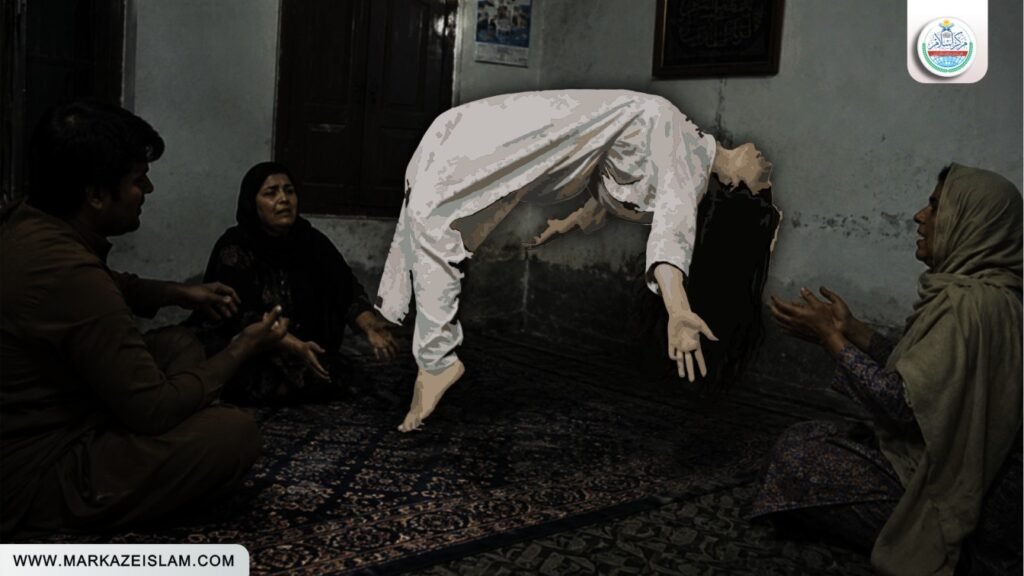
The Western concept of exorcism generally comes from the Christian tradition — a ritual in which a priest casts out a devil in the name of Jesus. Islam also has a parallel concept, but its method and underlying belief are entirely different.
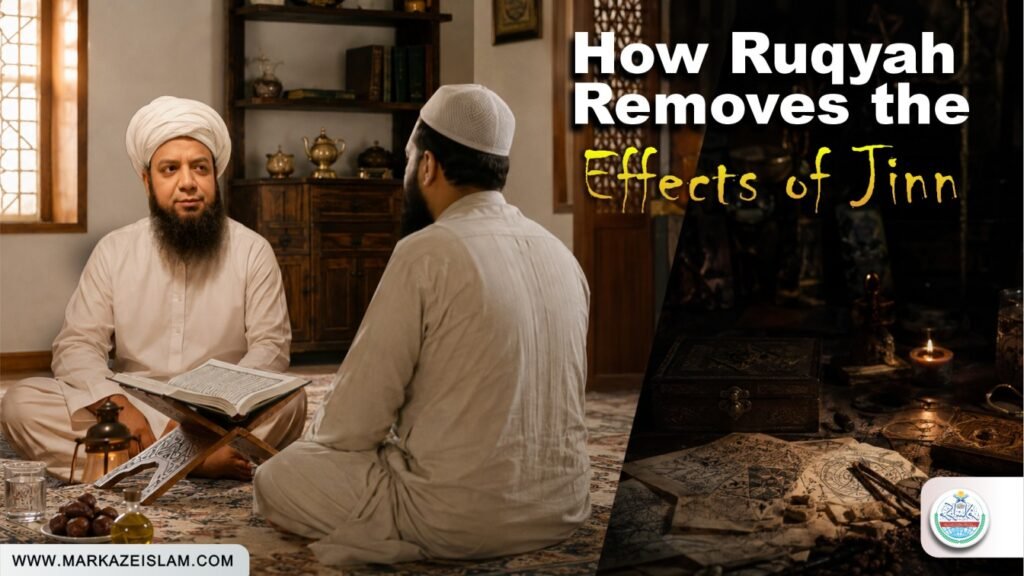
In Islamic terminology, this practice is called Ruqyah (رقية) — that is, the recitation of specific verses of the Noble Qur’an and authentic supplications over a person facing the effects of jinn, black magic (sihr), or the evil eye. The person who performs this is called a Raqi, not an “exorcist” in the Hollywood sense — there is no summoning, no dramatic confrontation, and no reliance on anything other than the word of Allah.
The fundamental difference is this: the power of Islamic “exorcism” does not come from the practitioner (aamil) or Raqi himself. The Noble Qur’an itself has been described as a healing.
“And we send down of the Qur’an that which is healing and mercy for the believers.” (Surah Al-Isra, 17:82)
The Raqi is merely a means — the actual healing is from Allah.
Is Ruqyah Permissible in Islam?
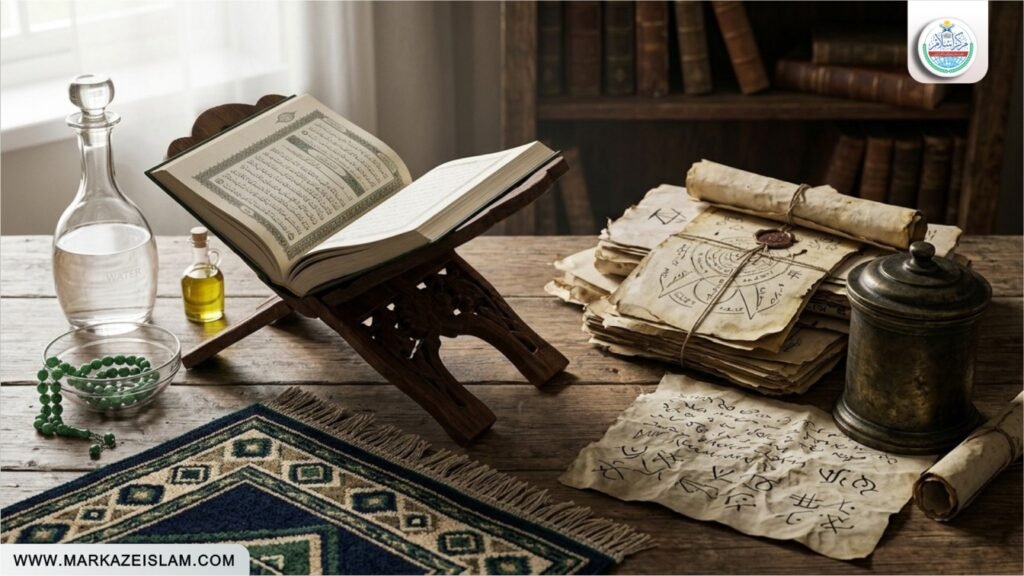
Yes — Ruqyah is not only permissible in Islam, but the Prophet ﷺ himself practiced it, taught it, and encouraged it — provided certain conditions are met.
According to scholars, Ruqyah is permissible when three conditions are met:
- It contains only the Noble Qur’an, the names and attributes of Allah, or the authentic supplications of the Prophet ﷺ.
- It is recited in Arabic, or in a language whose meaning is understood.
- There is firm belief that the Qur’an itself possesses no power on its own — it is only a means, and the actual healing is from Allah alone.
What is not permissible is: calling upon jinn, using unknown or meaningless words, wearing amulets containing elements of shirk, or believing that anything or anyone other than Allah can grant healing on its own. This is exactly where many people become confused — and often fall into the hands of fake “practitioners” (aamils) (details on this are given below).
A well-known hadith is clear evidence of its permissibility. A companion performed Ruqyah with Surah Al-Fatiha on an afflicted man from a tribe, and the man was healed. When this was reported to the Prophet ﷺ, he said:
“Take this payment! By my life, some people take payment for a false ruqyah, while you have taken payment for a true ruqyah.” (Sahih al-Bukhari)
Two things become clear from this hadith: Ruqyah is real and effective, and there is a clear distinction between true Ruqyah (based on the Qur’an) and false ruqyah (based on magic or shirk).
What is Ruqyah Shar’iyyah?
Ruqyah Shar’iyyah means “Ruqyah according to the Shariah” — that is, distinguishing authentic, Qur’an-based spiritual treatment from folk customs, superstitions, or magic disguised in religious form.
It generally includes:
- Recitation of specific surahs and verses over the affected person
- A light blowing (nafth) after the recitation
- Repeating the process, sometimes over several sessions
- Where necessary, placing the hand on the site of pain or discomfort while reciting
We have discussed this topic in more detail in our article “What is Faith Healing? Dam and Ruqyah”, which covers the broader practice of spiritual and physical healing in Islam.
What Signs Indicate That Someone Needs Ruqyah?
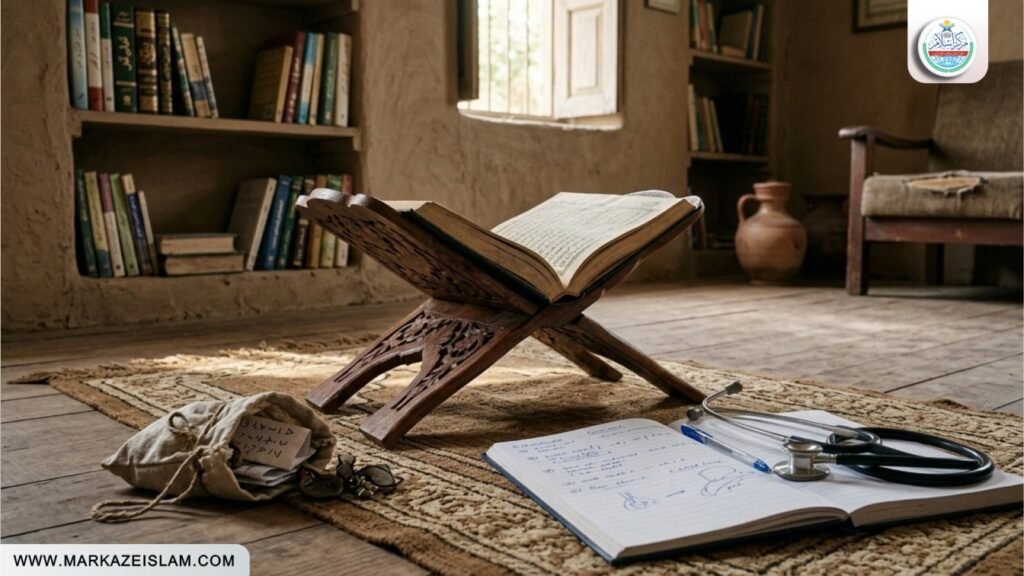
Not every difficulty, illness, or bad mood is caused by jinn or magic — Islam does not encourage attributing every problem to unseen causes. However, traditional scholars and experienced practitioners (raqis) often consider the following signs to indicate spiritual influence:
- Sudden, unexplained fear or anxiety, especially at night
- Recurring nightmares of falling, being chased, or seeing frightening beings
- Unusual physical or emotional reactions when hearing the recitation of the Qur’an
- Physical pain for which no medical cause can be found
- Sudden changes in personality, anger, or withdrawal from people
- A feeling of weight or pressure on the chest, as if something is sitting on it
We have discussed this topic in detail in our article, which also explains how to distinguish these signs from ordinary psychological or medical conditions — this is a critically important distinction that should never be ignored.
For a deeper understanding of what jinn are and how they relate to the human world according to Islamic teachings, please see our article.
How Does Ruqyah Remove the Effects of Jinn, Magic, and the Evil Eye? — The Complete Process
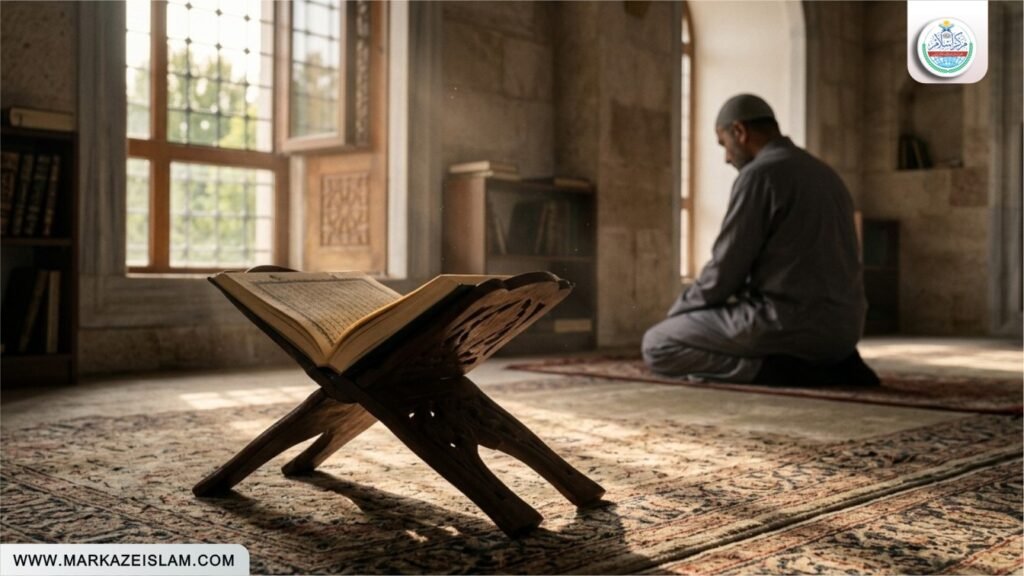
Although every practitioner’s method may differ slightly, the general approach of Ruqyah for treating the effects of jinn follows a consistent Qur’anic sequence.
Seeking Refuge and Purity of Intention: First, the Raqi and the affected person renew their intention — that healing is from Allah, not from the reciter or the words themselves.
Recitation of the Basic Protective Verses: Among the verses most commonly recited for this purpose are the following.
بِسْمِ اللّٰهِ الرَّحْمٰنِ الرَّحِيْمِ
اَلْحَمْدُ لِلّٰهِ رَبِّ الْعٰلَمِيْنَ ۙ الرَّحْمٰنِ الرَّحِيْمِ ۙمٰلِكِ يَوْمِ الدِّيْنِ ۙ اِيَّاكَ نَعْبُدُ وَ اِيَّاكَ نَسْتَعِيْنُ ۙ اِهْدِنَا الصِّرَاطَ الْمُسْتَقِيْمَ ۙصِرَاطَ الَّذِيْنَ اَنْعَمْت َعَلَيْهِمْ ۙ غَيْرِ الْمَغْضوْبِ عَلَيْهِمْ وَ لَا الضَّآلِِّيْنَ
بِسْمِ اللّٰهِ الرَّحْمٰنِ الرَّحِيْمِ
اللَّهُ لَا إِلَٰهَ إِلَّا هُوَ الْحَيُّ الْقَيُّومُ ۚ لَا تَأْخُذُهُ سِنَةٌ وَلَا نَوْمٌ ۚ لَهُ مَا فِي السَّمَاوَاتِ وَمَا فِي الْأَرْضِ ۗ مَنْ ذَا الَّذِي يَشْفَعُ عِنْدَهُ إِلَّا بِإِذْنِهِ ۚ يَعْلَمُ مَا بَيْنَ أَيْدِيهِمْ وَمَا خَلْفَهُمْ ۖ وَلَا يُحِيطُونَ بِشَيْءٍ مِنْ عِلْمِهِ إِلَّا بِمَا شَاءَ ۚ وَسِعَ كُرْسِيُّهُ السَّمَاوَاتِ وَالْأَرْضَ ۖ وَلَا يَئُودُهُ حِفْظُهُمَا ۚ وَهُوَ الْعَلِيُّ الْعَظِيمُ
بِسْمِ اللّٰهِ الرَّحْمٰنِ الرَّحِيْمِ
قُلْ هُوَ اللَّهُ (1) أَحَدٌاللَّهُ الصَّمَدُ (2) لَمْ يَلِدْ وَلَمْ يُولَدْ(3)
وَلَمْ يَكُن لَّهُ كُفُوًا أَحَدٌ
بِسْمِ اللّٰهِ الرَّحْمٰنِ الرَّحِيْمِ
قُلْ اَعُوْذُ بِرَبِّ الْفَلَقِۙ (1) مِنْ شَرِّ مَا خَلَقَۙ (2) وَ مِنْ شَرِّ غَاسِقٍ اِذَا وَقَبَۙ (3) وَ مِنْ شَرِّ النَّفّٰثٰتِ فِی الْعُقَدِۙ (4) وَ مِنْ شَرِّ حَاسِدٍ اِذَا حَسَدَ۠ (5)
بِسْمِ اللّٰهِ الرَّحْمٰنِ الرَّحِيْمِ
قُلْ اَعُوْذُ بِرَبِّ النَّاسِۙ (1) مَلِكِ النَّاسِۙ (2) اِلٰهِ النَّاسِۙ (3) مِنْ شَرِّ الْوَسْوَاسِ ٔ الْخَنَّاسِٕ (4) الَّذِیْ یُوَسْوِسُ فِیْ صُدُوْرِ النَّاسِۙ (5) مِنَ الْجِنَّةِ وَ النَّاسِ۠
بِسْمِ اللّٰهِ الرَّحْمٰنِ الرَّحِيْمِ
وَأَوْحَيْنَا إِلَى مُوسَى أَنْ أَلْقِ عَصَاكَ ، فَإِذَا هِيَ تَلْقَفُ مَا يَأْفِلُونَ ، فَوَقَعَ الْحَقُّ
وَ بَطَلَ مَا كَانُوا يَعْمَلُونَ ، فَغُلِبُوا هُنَالِكَ وَ انْقَلَبُوْا صٰغِرِينَ ، وَ اُلْقِيَ السَّحَرَةُ سٰجِدِينَ ، قَالُوا اٰمَنَّا بِرَبِّ الْعٰلَمِينَ ، رَبِّ مُوسَى وَهُرُونَ
بِسْمِ اللّٰهِ الرَّحْمٰنِ الرَّحِيْمِ
فَلَمَّاۤ اَلْقَوْا قَالَ مُوسٰى مَا جِئْتُم بِهِ السِّحْرُ ، إِنَّ اللّٰهَ سَيُبْطِلُهُ ، إِنَّ اللّٰهَ لَا يُصْلِحُ عَمَلَ الْمُفْسِدِينَ ، وَيُحِقُّ اللّٰهُ الْحَقَّ بِكَلِمَتِهِ وَلَوْ كَرِهَ الْمُجْرِمُونَ
بِسْمِ اللّٰهِ الرَّحْمٰنِ الرَّحِيْمِ
قُلْنَا لَا تَخَفْ إِنَّكَ أَنْتَ الْأَعْلٰى ، وَ اَلْقِ مَا فِي يَمِيْنِكَ تَلْقَفْ مَا صَنَعُوْا ، إِنَّهَا
صَنَعُوْا كَيْدُ سٰحِرٍ وَلَا يُفْلِحُ السَّاحِرُ حَيْثُ اتٰی ، فَأَلْقِيَ السَّحَرَةُ سُجَّدًا قَالُوْاۤ اٰمَنَّا
بِرَبِّ هٰرُوْنَ وَمُوْسٰى
The above verses hold a fundamental place in the treatment of a person affected by jinn. You may recite other verses in addition to these as well, but these verses will always retain their key status. In some cases, for more severe cases, the following verse is specifically included in the treatment of a person affected by jinn.
بِسْمِ اللّٰهِ الرَّحْمٰنِ الرَّحِيْمِ
يٰمَعْشَرَ الْجِنِّ وَالْإِنْسِ إِنِ اسْتَطَعْتُمْ أَنْ تَنْفُذُوْا مِنْ أَقْطَارِ السَّمٰوٰتِ وَالْأَرْضِ فَانْفُذُوْا ، لَا تَنْفُذُوْنَ إِلَّا بِسُلْطَنٍ ، فَبِأَيِّ الآءِ رَبِّكُمَا تُكَذِّ بْنِ ، يُرْسَلُ عَلَيْكُمَا شُوَاظٌ مِنْ نَارٍ ، وَنُحَاسُ فَلَا تَنْتَصِرْنِ
Method of Treating a Person Affected by Jinn
- First, the person performing the treatment should set up their own protective barrier (hisar).
- Place water, olive oil, and black seed (kalonji) oil in front of you; recite the verses used for treating magic eleven times each and blow (dam) over them. After that, whichever of the 39 well-known, commonly recognized types of magic applies to the problem at hand, recite its corresponding treatment verse 313 times and blow (dam) over it.
The patient should continue drinking this water. This water should also be sprinkled around the house, and after Maghrib, before sleeping, the patient should add bidara (lote tree) leaves to lukewarm water and bathe while standing in a tub. The water used should not drain into the bathroom drain but should be collected in the tub itself. Afterward, this used bathing water should be poured out onto bare/uncultivated ground while reciting Bismillah ir-Rahman ir-Rahim. After this, if there is pain anywhere on the body, massage the affected area with the oil that has been blown upon (dam), and if the pain is severe, have cupping (hijama) performed by a qualified practitioner. Hijama is a Sunnah and is an excellent treatment for magic.
During the cupping session, it is essential that both the patient and the practitioner maintain their protective barrier (hisar) and continue reciting the verse used for treating magic.
- It is also worth noting that the Adhan (call to prayer) is mentioned in authentic hadiths as something that causes Shaytan to flee. For this reason, some scholars recommend that, alongside Ruqyah, the Adhan also be given calmly near a severely affected person.
Ruqyah vs. Black Magic “Treatment” — What is the Difference?
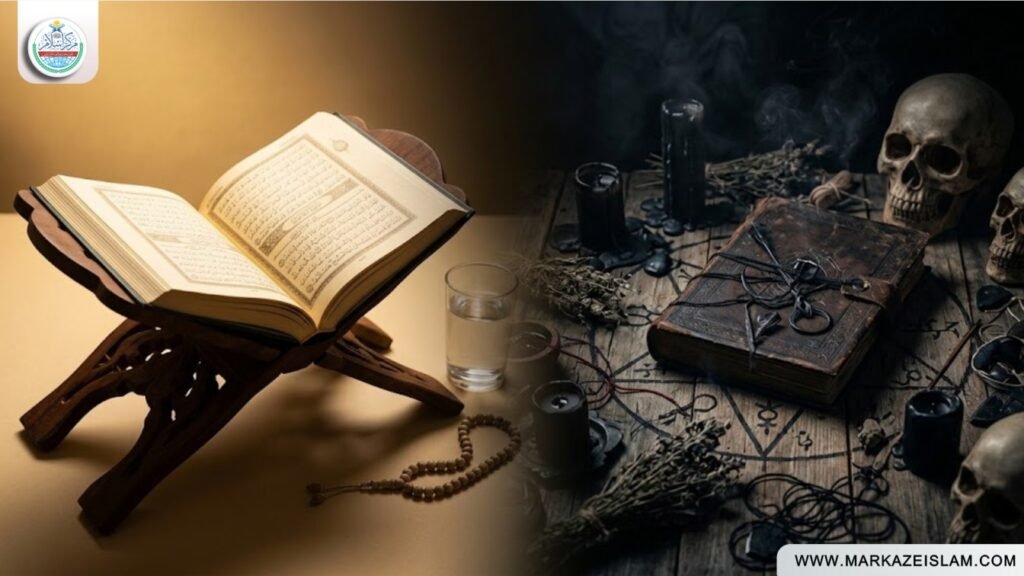
This is a topic where the most confusion exists, so it is necessary to clearly distinguish between the two.
| Category | Black-Magic-Based “Treatment” (Forbidden) | Ruqyah (Authentic) |
| Source | Calling upon jinn, unknown symbols, foreign/unintelligible words | The Qur’an, authentic supplications, the names of Allah |
| Belief | It is believed that the object/person/ritual itself possesses power | Healing is from Allah alone |
| Practitioner | Often secretive, demands heavy payment, promises guaranteed results | A person of correct belief, who practices openly |
| Ruling | Falls into shirk or magic — clearly haram | Permissible, indeed recommended (mustahabb) |
We have written about this distinction in more detail in our article”Amaliyaat VS Magic (Jaadu)”, and about recognizing the signs of magic’s effects in another article of ours.
Common Misconceptions About Islamic “Exorcism”
“Every problem in life is caused by jinn or black magic.” This is not correct. Islam teaches balance — while the effects of jinn and magic are realities acknowledged in the Qur’an and Sunnah, ordinary hardships, illness, and grief are also a natural part of life and a trial from Allah. Attributing every problem to a spiritual cause can itself become a harmful way of thinking.
“Any amulet or ritual sold by a so-called ‘practitioner’ (aamil) is Islamic.” Unfortunately, many people use the language of Ruqyah to sell services based on superstition or shirk. A genuine practitioner of Ruqyah uses only the Qur’an and authentic supplications — nothing hidden, no unknown script, and no promise of “guaranteed” results within a fixed number of days in exchange for money.
How to Protect Yourself and Your Family from the Effects of Jinn
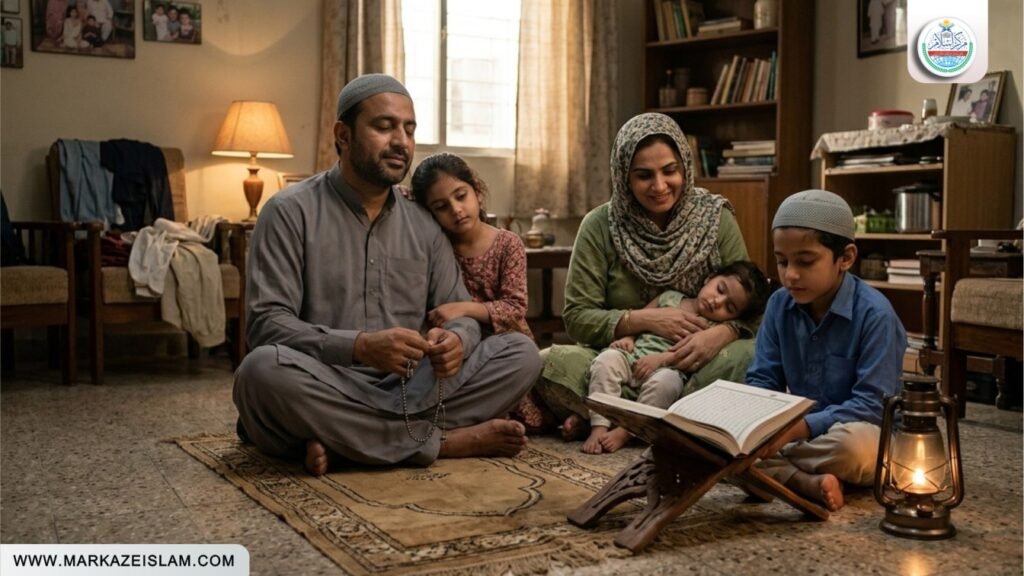
Islamic teachings place as much emphasis on protection as they do on treatment. Regular adherence to the following practices is considered strong protection:
- Reciting Ayat al-Kursi after every prayer and before sleeping — read more in our article “The Secret of Ayat al-Kursi”
- Reciting Surah Al-Falaq and Surah An-Nas in the morning and evening
- Regularly reciting Surah Al-Baqarah in the home — a hadith mentions that Shaytan flees from a house in which this surah is recited
- Maintaining the five daily prayers and closeness to Allah, since a heedless heart is more susceptible to negative influences
- Avoiding involvement in fortune-telling, numerology, or any occult practice, even out of mere curiosity — our article “The Reality of Numerology” explains the importance of this precaution
Frequently Asked Questions (FAQs)
What is the first aid for a patient affected by jinn?
Answer: Until a qualified Raqi can be consulted, the following initial steps can be taken: keep the affected person in a calm environment and respond with patience rather than panic. Recite Ayat al-Kursi, Surah Al-Falaq, Surah An-Nas, and Surah Al-Ikhlas aloud near them. Recite these verses over some water and blow (dam) on it, give the patient a little to drink, and use the rest to wash their face and hands. If the patient tries, in a moment of agitation, to harm themselves or others, restrain them gently but firmly to keep them safe. Completely avoid taking them to any unknown amulet-maker, ritual, or unqualified practitioner. At the same time, also make sure the symptoms are not due to a medical cause (such as epilepsy, mental strain, or another illness) — consulting a qualified physician is just as necessary for this. The purpose of first aid is only to give the patient temporary relief and protect them from harm, while complete and lasting treatment should take place only under the supervision of a qualified Raqi.
Why is permission from a Pir (spiritual guide) or scholar required for the litanies and practices performed on a patient affected by jinn?
Answer: Some of the litanies (wazaif) and practices used in treating the effects of jinn are of a different nature from ordinary daily recitation — they involve a specific sequence, specific times, a specific count, and sometimes direct interaction with jinn. This is why scholars and teachers advise obtaining permission (ijazah) from a qualified Pir or scholar before performing such practices, and there are several basic reasons for this. First, permission guarantees that the practice is being performed in the correct sequence, correct pronunciation, and correct manner, as it has been transmitted through a reliable chain from teacher to student — not learned independently from books. Second, the scholar or Pir can assess whether the person performing the practice is spiritually and mentally ready for it, since an inexperienced person or one with weak intention may fall into confusion, fear, or harm when interacting with jinn. Third, the permission system also serves as protection from the mischief of unqualified, self-styled ‘practitioners’ — as mentioned earlier in the article, many people spread superstition and shirk-based practices under the guise of Ruqyah. Finally, certain litanies come with specific conditions and precautions that only a qualified teacher can explain, and adopting them without permission and guidance can also prove spiritually harmful.
Can Ruqyah be performed on oneself?
Answer: Yes — in fact, it is established from the Sunnah of the Prophet ﷺ that a person can perform Ruqyah on themselves, especially in the form of daily protective recitation and supplications. However, when the effect is severe, such as in the case of intense jinn influence or sorcery, seeking help from a qualified and experienced Raqi is more effective and safer.
How long does it take for the effects of Ruqyah to appear?
Answer: This can vary from case to case. Some people feel immediate relief, while in other cases — especially with old or severe effects — the process may need to be continued consistently for weeks or months. Patience and consistency are essential conditions for the success of Ruqyah.
Is every person who calls themselves an ‘aamil’ (practitioner) trustworthy?
Answer: Absolutely not. As explained in detail in the article, many so-called practitioners use unauthentic methods, amulets, and shirk-based practices. Before consulting any practitioner or Raqi, it is necessary to examine their beliefs and methods — whether or not they rely solely on the Qur’an and authentic supplications.
Should one stop consulting a doctor while undergoing Ruqyah?
Answer: No. As explained in the article, Ruqyah and medical treatment are not alternatives to one another but complements. If the symptoms also indicate a physical or mental illness, consulting a doctor is just as necessary as undergoing Ruqyah.
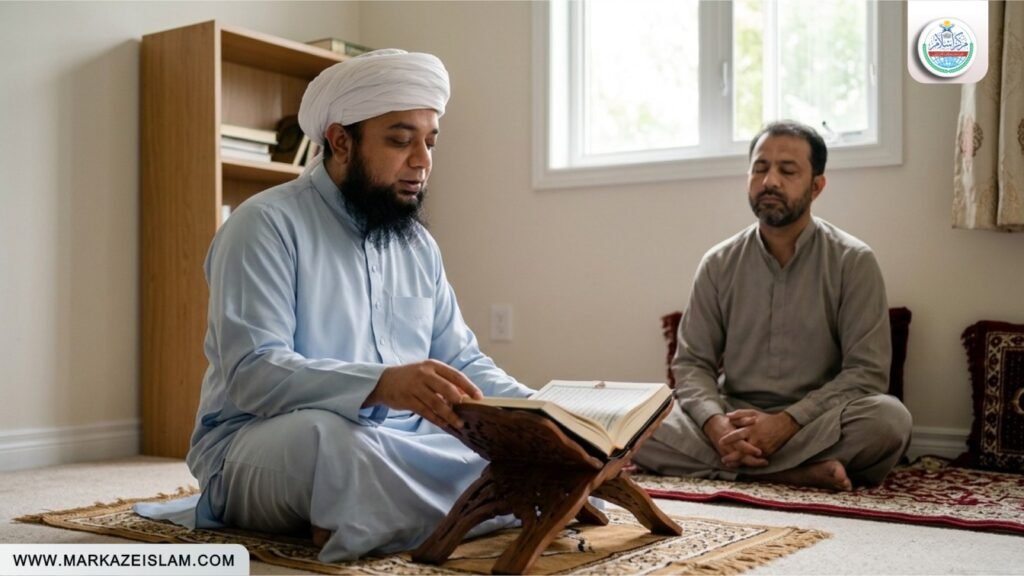
What is understood as “exorcism” in Islam is not a dramatic battle between good and evil — rather, it is the act of turning to Allah, through His own word, with calm and discipline. Ruqyah, when performed correctly, is both a treatment and a form of worship — one that is deeply rooted in the Qur’an and the authentic Sunnah of the Prophet ﷺ.
If you or anyone in your household is experiencing symptoms that point to the effects of jinn, black magic, or the evil eye, it is essential to consult a trustworthy and knowledgeable practitioner — not someone who promises shortcuts or guaranteed miracles. At Markaz-e-Islam, our approach to Ruqyah and spiritual treatment is based entirely on the Qur’an and Sunnah. For more information or consultation, contact us.