
The third month of the Islamic calendar, Rabi-ul-Awwal, holds special spiritual significance for the Muslim Ummah. It was in this blessed month that the Noble Prophet (peace and blessings of Allah be upon him) was born — an event that changed the course of the history of all mankind. This is why, every year, with the arrival of Rabi-ul-Awwal, the love of the Prophet (peace be upon him) in the hearts of Muslims grows even more radiant, and people try to spend this month with special acts of worship, remembrance (adhkar), and good deeds.
Table of Contents
Many people welcome Rabi-ul-Awwal with the question of which acts are Sunnah in this blessed month, which supplications (wazaif) may be recited, and what the religious virtue (fazilat) of this month is. In this article, we will try to answer these very questions in a comprehensive and easy-to-understand manner, so that every reader may practically adopt these teachings in their everyday life.
The Virtue of Rabi-ul-Awwal — In the Light of the Qur’an and the Seerah
The greatest virtue of Rabi-ul-Awwal is that it was in this month that the Mercy for all the worlds (peace and blessings of Allah be upon him) came into the world. Allah Almighty declared in the Holy Qur’an that the sending (bi’that) of the Noble Prophet (peace be upon him) was a mercy for the entire universe. His (peace be upon him) birth was not merely a historical event, but the beginning of the opening of the doors of guidance, mercy, and salvation for all humanity.
Although some scholars hold differing views on setting aside a specific date or day for a particular act of worship, all schools of thought agree that:
• Studying the noble life (Seerah) of the Noble Prophet (peace be upon him) and learning lessons from it holds an importance that amounts to being obligatory upon every Muslim.
• Sending abundant Durood and Salaam (blessings and peace) upon the Prophet is a praiseworthy act at all times, and especially so in Rabi-ul-Awwal.
• Love and devotion for the Noble Prophet (peace be upon him) is a basic condition of faith (Iman), and good deeds together with charity are the best means of expressing this love.
Therefore, instead of regarding Rabi-ul-Awwal as merely a historical month, it should be seen as an opportunity to attain spiritual reform and to draw closer to the Seerah of the Noble Prophet (peace be upon him).
The Sunnah Practices and Recitations (Wazaif) of Rabi-ul-Awwal
• Reciting Durood Sharif in Abundance
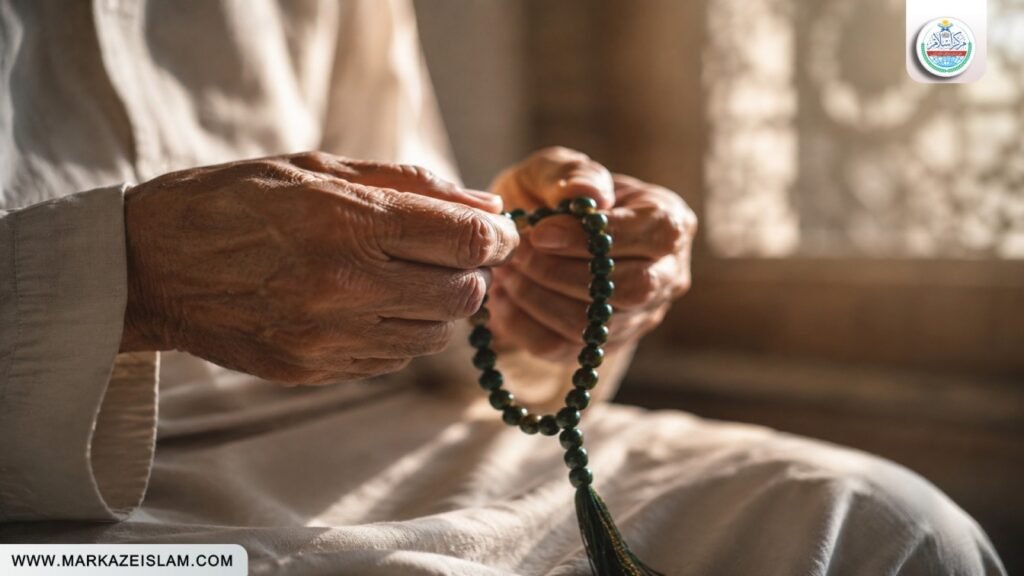
Durood Sharif is the salutation sent upon the Noble Prophet (peace be upon him), which Allah Almighty Himself has commanded in the Holy Qur’an. In the month of Rabi-ul-Awwal, reciting Durood Sharif abundantly is considered especially recommended (mustahabb). Setting aside some time daily to recite Durood-e-Ibrahimi or any other Sunnah Durood is not only a means of reward but also the best way of keeping the love of the Prophet (peace be upon him) fresh in the heart. It can be made part of one’s morning and evening routine, and children in the family should also be given the habit of it.
• Abundance of Istighfar (Seeking Forgiveness) and Repentance

Like every good deed, observing istighfar and repentance in Rabi-ul-Awwal too is a means of purifying the heart and strengthening one’s bond with Allah Almighty. The Noble Prophet (peace be upon him) himself used to seek forgiveness abundantly every day, even though he (peace be upon him) was sinless (ma’sum). This is a lesson for us that we too should make daily istighfar a habit in our lives, especially in this blessed month.
• Studying the Noble Seerah

The month of Rabi-ul-Awwal is the most fitting time for studying the Prophetic Seerah (peace be upon him). Reading books written on the various aspects of the Noble Prophet’s (peace be upon him) life — childhood, youth, the start of Prophethood, the Hijrah (migration), social life, and excellent character — or attending gatherings (majalis) on the Seerah, is considered a special Sunnah practice for this month. This practice not only increases knowledge but also helps in adopting the Prophet’s (peace be upon him) example (uswah) in practical life.
• Observing Voluntary (Nafl) Fasts

The Noble Prophet (peace be upon him) generally used to observe voluntary fasts on Mondays and Thursdays. Fasting on these days in Rabi-ul-Awwal as well is a beautiful way of acting upon this Sunnah. Fasting is not only a means of spiritual purification but is also an effective means of gaining control over the self (nafs) and attaining taqwa (God-consciousness).
• Observing Charity (Sadaqah and Khairat)
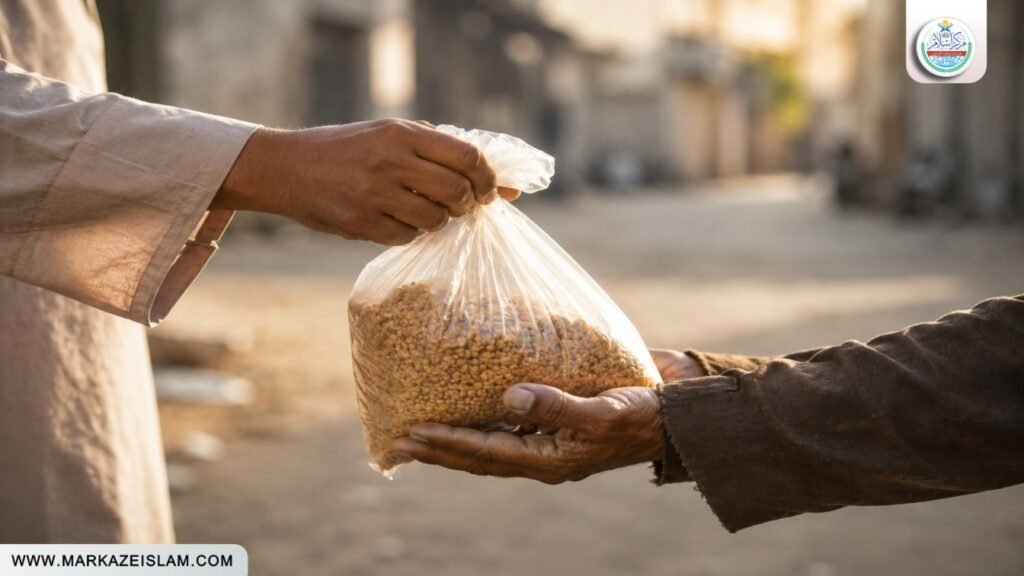
The Noble Seerah of the Prophet (peace be upon him) is the best example of generosity and helping others. In Rabi-ul-Awwal, helping the poor and the needy, feeding people, or giving charity for any good cause is a practical proof of following the Sunnah of the Prophet (peace be upon him) and of expressing love for him (peace be upon him).
• Drawing Moral Lessons from the Prophetic Seerah and Adopting Them in Practical Life
Merely acquiring information is not enough; rather, the real purpose is to adopt the Prophet’s (peace be upon him) excellent example (uswah hasanah) in one’s everyday life. Truthfulness, trustworthiness, good character, kind treatment of parents, and fulfilling the rights of neighbours — these are all qualities that should be especially highlighted on the occasion of Rabi-ul-Awwal.
Rabi-ul-Awwal and the Home Environment
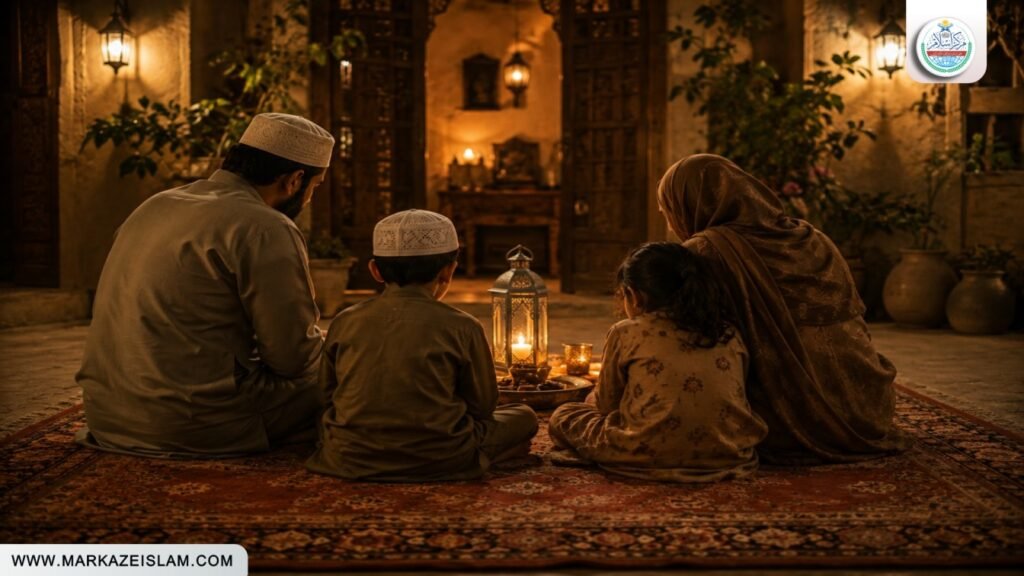
A few simple suggestions for making the home environment more spiritual on the occasion of Rabi-ul-Awwal
• Arrange sittings or gatherings (majalis) at home related to the Prophetic Seerah (peace be upon him), and make sure to especially include the participation of children.
• Hold gatherings of Durood Sharif and Na’at (poetic praise) of the Prophet (peace be upon him) together with the family.
• Narrate simple and interesting events from the Seerah of the Noble Prophet (peace be upon him) to children, so that the foundation of love for the Prophet (peace be upon him) is firmly established in them from childhood.
• Promote a spirit of kindness and goodwill towards neighbours and relatives.
Frequently Asked Questions (FAQs)
Q-What is the virtue of Rabi-ul-Awwal?
The greatest virtue of Rabi-ul-Awwal is that it was in this very month that the Noble Prophet (peace and blessings of Allah be upon him) was born. This month is considered a special occasion for studying the Noble Seerah, reciting Durood Sharif abundantly, and engaging in good deeds.
Q-What should one do in Rabi-ul-Awwal?
Reciting Durood Sharif abundantly, seeking forgiveness (istighfar), studying the Noble Seerah, observing voluntary fasts, and engaging in charity are among the Sunnah practices of Rabi-ul-Awwal.
Q-Is fasting in Rabi-ul-Awwal a Sunnah?
Voluntary fasting on Mondays and Thursdays is a Sunnah throughout the year, and fasting on these days during Rabi-ul-Awwal as well is part of acting upon this same Sunnah.
Q-What is the importance of reading the Seerah of the Prophet?
Studying the Noble Seerah gives us practical guidance from the life of the Noble Prophet (peace be upon him), which helps us bring improvement to our everyday life — in character, dealings, and worship.

The month of Rabi-ul-Awwal gives us the opportunity not only to feel joy at the birth of the Noble Prophet (peace be upon him), but also to truly draw lessons from his (peace be upon him) Noble Seerah and make them part of our lives. Abundant Durood Sharif, istighfar, studying the Seerah, voluntary fasting, and charity — all these deeds together help us gather the true blessings of this blessed month. May Allah Almighty grant us the ability to act upon the excellent example (uswah hasanah) of the Noble Prophet (peace be upon him). Ameen.