The 73rd surah of the Holy Quran, Surah Al-Muzzammil, has always held a special place among the Sufis and the people of spirituality. Not only does this surah address the blessed person of the Noble Prophet (peace be upon him) directly, but its recitation and specific prescribed recitations (wazaif) have also been used for centuries for the spiritual treatment of problems such as sorcery (sihr), black magic, the influence of jinn, and the evil eye. In the order (silsila) of Markaz-e-Islam as well, Surah Al-Muzzammil holds the status of a fundamental and key practice, and our spiritual teachers have been passing on its teaching to their students generation after generation.
Table of Contents
In this article we will describe in detail the introduction to Surah Al-Muzzammil, the context of its revelation, its merits, and — most importantly — its authentic and time-tested wazaif, including the diagnosis of black magic and its treatment, spiritual cleansing of the home, protection from the evil eye, and the method of becoming an “amil” of this surah.
Introduction to Surah Al-Muzzammil
Surah Al-Muzzammil is the 73rd surah of the Holy Quran. It consists of 20 verses and is part of Juz’ 29. Its first 19 verses are counted among the early revelation of the Meccan period, whereas regarding the last verse (the twentieth), most exegetes are of the opinion that it was revealed later in Madinah al-Munawwarah, in which the hardship of standing in prayer at night was eased. The literal meaning of “Muzzammil” (مُزَّمِّلْ) is “a person wrapped in a blanket or cloak,” and this address is directed to the Noble Prophet (peace be upon him) himself.
The basic theme of the surah is the emphasis on Tahajjud and Qiyam al-Layl (night worship), the counsel of patience, and the instruction to recite the Quran slowly and measuredly (with tarteel). At the end of this same surah, the people of Makkah are warned by mentioning the punishment of Pharaoh.
The Context of Revelation of Surah Al-Muzzammil (Shan-e-Nuzul)
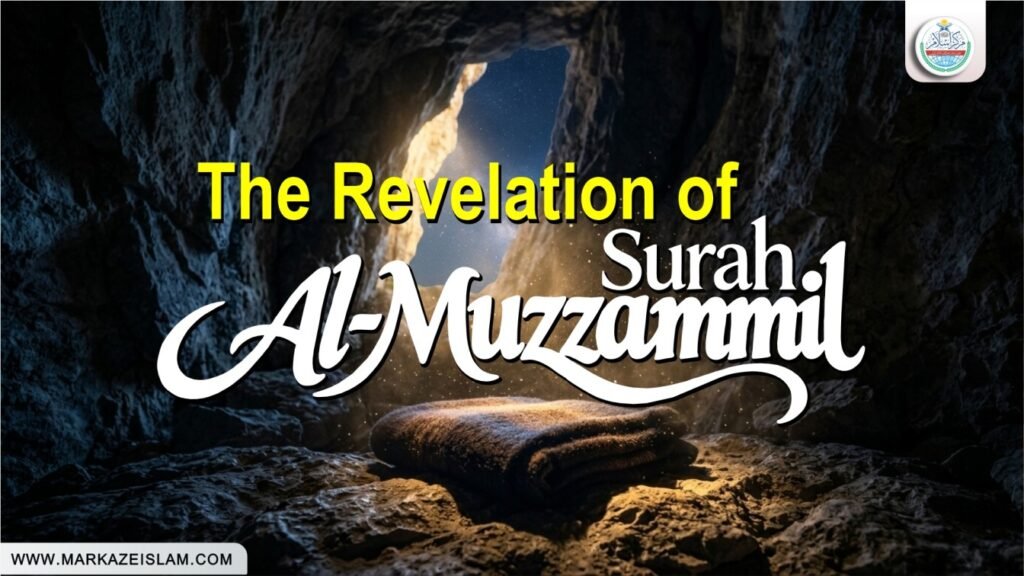
According to authentic narrations, when the first revelation came upon the Noble Prophet (peace be upon him) in the Cave of Hira, he came home trembling from the intensity of that experience and asked Hazrat Khadijah (may Allah be pleased with her) to cover him with a blanket. In that very state, while he was wrapped in the cloak, Allah the Almighty addressed him with the words “يَا أَيُّهَا الْمُزَّمِّلُ” (O you who are wrapped in a cloak), and it is from here that both the beginning and the name of this surah are connected. This surah is among the very first revelations of the early period of prophethood.
Surah Al-Muzzammil and the Practice of the Noble Companions
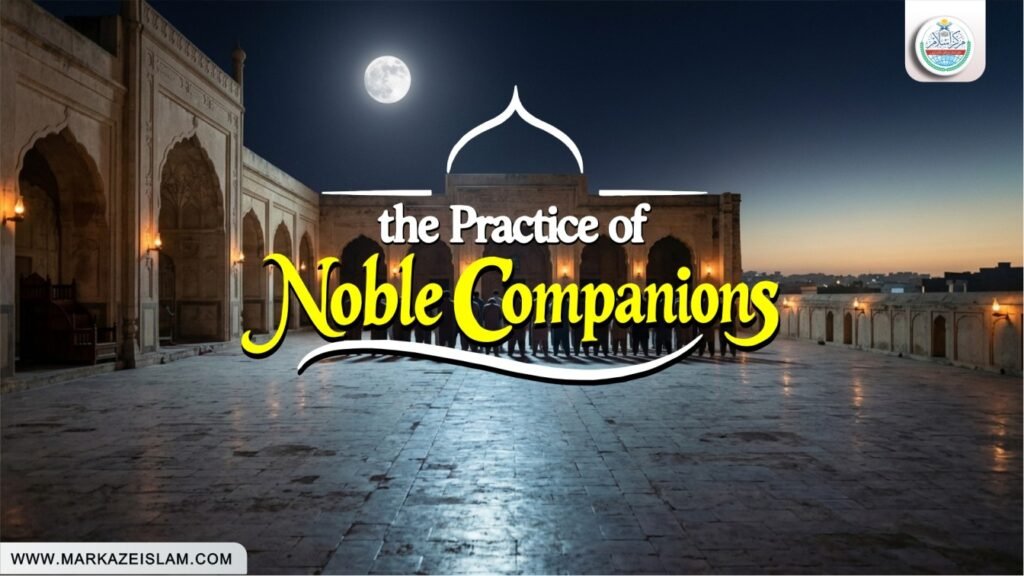
The special thing about Surah Al-Muzzammil is that the Noble Companions (may Allah be pleased with them) themselves also acted upon it — and this is not based on any oral narration but on the very words of the Holy Quran. In the opening verses of the surah (1 to 8), the command to stand in prayer at night (Tahajjud) was given, which at first was made obligatory upon the Noble Prophet (peace be upon him) as well as upon his companions. In the last verse of this same surah (verse 20), Allah the Almighty Himself declares:
إِنَّ رَبَّكَ يَعْلَمُ أَنَّكَ تَقُومُ أَدْنَىٰ مِن ثُلُثَيِ اللَّيْلِ وَنِصْفَهُ وَثُلُثَهُ وَطَائِفَةٌ مِّنَ الَّذِينَ مَعَكَ
Indeed, your Lord knows that you and a group of your companions sometimes stand in prayer for nearly two-thirds of the night, and sometimes half the night, and sometimes one-third of the night.
That is, the Quran itself bears witness that a group of the Noble Companions used to stand in prayer at night together with the Noble Prophet (peace be upon him) in accordance with the command of this very surah, until later, in this same verse, this obligation was made easy for everyone by way of a relaxation, and the Tahajjud prayer remained as a recommended (mustahab) and beloved act. This is why Surah Al-Muzzammil is known as the surah of Tahajjud and Qiyam al-Layl, and its recitation has had a special association with worship and spiritual striving (mujahadah) since the very beginning of Islam.
The Special Practice of Surah Al-Muzzammil in the Month of Rajab
The blessed month of Rajab (Rajab al-Murajjab) holds special importance for worship, charity, and spiritual practices, and in keeping with this, a special practice of Surah Al-Muzzammil is also recommended, which is considered especially beneficial for the afflicted, the sick, the unemployed, and the impoverished.
٭Divide the number of days remaining in the month of Rajab, and recite Surah Al-Muzzammil daily in such a way that a total of 70 recitations is completed.
٭It can be recited once daily with each of the five prayers, or at any time of the day — before or after Fajr, Zuhr, Asr, Maghrib or Isha. There is no restriction of time; it is only necessary that it be completed within the month.
٭Reciting Durood-e-Ibrahimi 5 times daily along with it is also part of this practice.
٭It is said about this practice that it brings ease in sustenance (rizq), healing from illnesses, deliverance from servitude and destitution, and relief in spiritual and physical ailments — God willing (In shā’ Allāh).
Surah Al-Muzzammil: Method of Diagnosing and Treating Black Magic (Sihr)
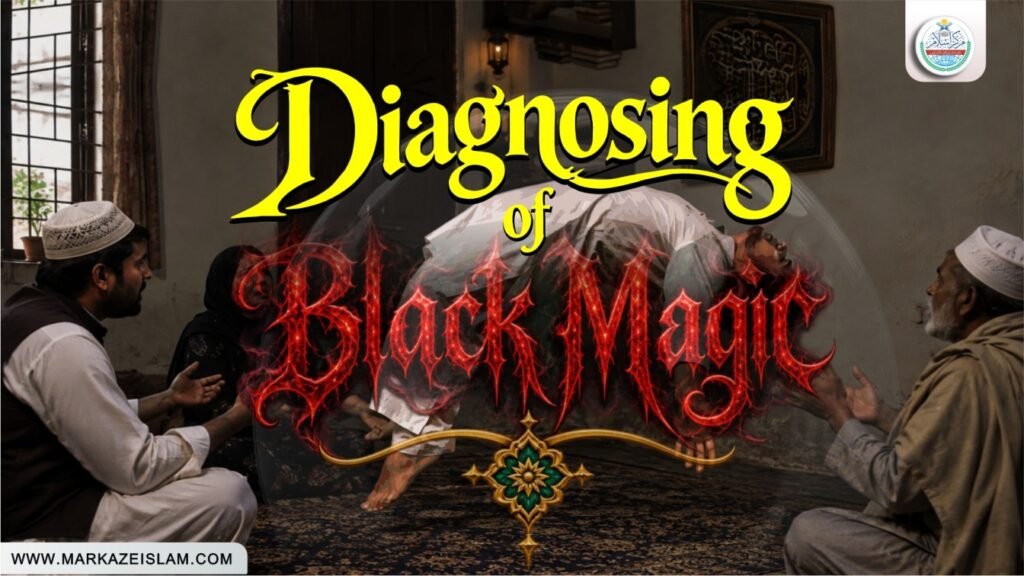
Nowadays problems of black magic and binding (bandish) have become extremely common, and many people continue to suffer constantly despite their medical reports coming back clear. For such patients, a gradual method of diagnosis and treatment based on Surah Al-Muzzammil is described.
Diagnosis (Three Common Methods of Diagnosis)
First Method :Measuring the cloth: Take a garment worn by the patient (for example, a shirt) and first measure its length. Then, after reciting the Four Quls or Ayat al-Kursi 11 times, blow (dam) upon it, and after leaving it for a while (5 to 10 minutes), measure it again. If the cloth shrinks, this is considered a sign of black magic, and if it grows longer, it points toward jinn or possession-related matters.
Second Method :Taste of a sweet item: Sugar or any sweet item is blown upon after reciting the Four Quls or Ayat al-Kursi 11 times, and the patient is made to eat it. If the taste feels bitter, this is considered a sign of black magic, and if it feels sour (tart), this is considered an indication of a possession-related matter.
Third Method:Taste of water: In case of severe magical effects, water is blown upon and given to the patient to drink — if the taste of the water feels bitter, this is considered an indication of black magic of a serious nature.
General Treatment (Anyone Can Do It Themselves)
Those who have not taken the pledge of allegiance (bay’ah) to, or are not part of, the order (silsila) of Markaz-e-Islam can also perform this simple practice sitting at home:
Ayat al-Kursi, Seven Times
بِسْمِ ٱللَّهِ ٱلرَّحْمَٰنِ ٱلرَّحِيمِ
اللّٰهُ لَا إِلَٰهَ إِلَّا هُوَ الْحَيُّ الْقَيُّومُ ۚ لَا تَأْخُذُهُ سِنَةٌ وَلَا نَوْمٌ ۚ لَهُ مَا فِي السَّمَاوَاتِ وَمَا فِي الْأَرْضِ ۗ مَنْ ذَا الَّذِي يَشْفَعُ عِنْدَهُ إِلَّا بِإِذْنِهِ ۚ يَعْلَمُ مَا بَيْنَ أَيْدِيهِمْ وَمَا خَلْفَهُمْ وَلَا يُحِيطُونَ بِشَيْءٍ مِنْ عِلْمِهِ إِلَّا بِمَا شَاءَ ۚ وَسِعَ كُرْسِيُّهُ السَّمَاوَاتِ وَالْأَرْضَ وَلَا يَئُودُهُ حِفْظُهُمَا ۚ وَهُوَ الْعَلِيُّ الْعَظِيمُ
And the Four Quls, seven times each
بِسْمِ ٱللَّهِ ٱلرَّحْمَٰنِ ٱلرَّحِيمِ
قُلْ يَٰٓأَيُّهَا ٱلْكَٰفِرُونَ ١لَآ أَعْبُدُ مَا تَعْبُدُونَ وَلَآ أَنتُمْ عَٰبِدُونَ مَآ أَعْبُدُ
وَلَآ أَنَا۠ عَابِدٌ مَّا عَبَدتُّمْ وَلَآ أَنتُمْ عَٰبِدُونَ مَآ أَعْبُدُ لَكُمْ دِينُكُمْ وَلِىَ دِينِ
بِسْمِ ٱللَّٰهِ ٱلرَّحْمَـٰنِ ٱلرَّحِيمِ
قُلْ هُوَ ٱللَّٰهُ أَحَدٌ ٱللَّٰهُ ٱلصَّمَدُ
لَمْ يَلِدْ وَلَمْ يُولَدْ وَلَمْ يَكُن لَّهُۥ كُفُوًا أَحَدٌۢ
بِسْمِ ٱللَّٰهِ ٱلرَّحْمَـٰنِ ٱلرَّحِيمِ
قُلْ أَعُوذُ بِرَبِّ ٱلْفَلَقِ مِن شَرِّ مَا خَلَقَ
وَمِن شَرِّ غَاسِقٍ إِذَا وَقَبَ وَمِن شَرِّ ٱلنَّفَّـٰـثَــٰتِ فِى ٱلْعُقَدِ
وَمِن شَرِّ حَاسِدٍ إِذَا حَسَدَ
بِسمِ اِللهِ اِلرَّحمَـٰنِ اِلرَّحِيمِ
قُلَ اَعُوذُ بِرَبِّ اِلنَّاسِ مَلِكِ اِلنَّاسِ إِلَـٰهِ اِلنَّاسِ
مِن شَرِّ اِلوَسوَاسِ اِلخَنَّاسِ الَّذِے يُوَسوِسُ فِے صُدُورِ اِلنَّاسِ
مِنَ اَلجِنَّةِ وَالنَّاسِ ص
After reciting, blow upon yourself or upon the patient. Similarly, blowing upon water and giving it to drink is also considered beneficial.
Practice for the Spiritual Cleansing of the Home
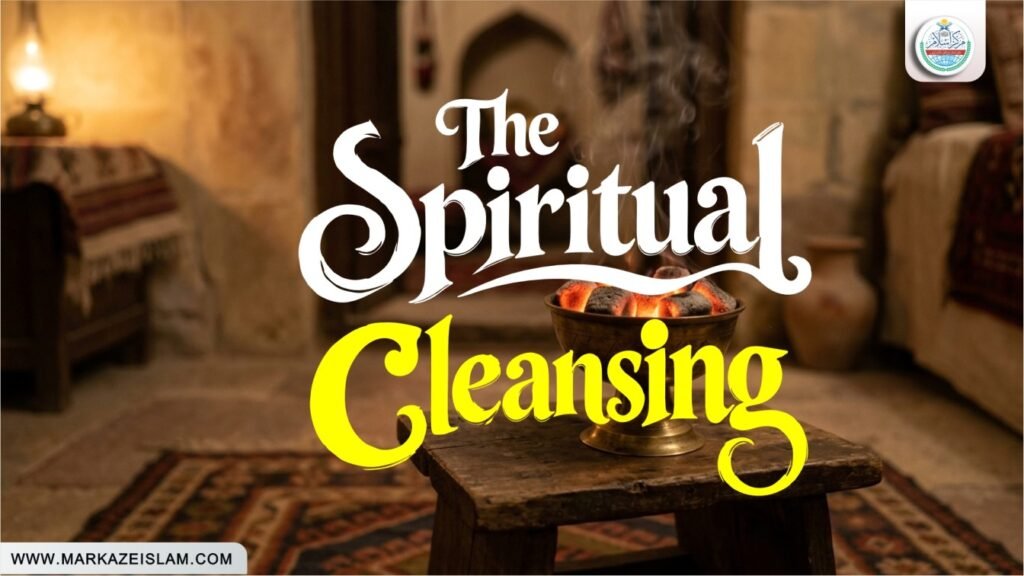
In homes where signs of ill fortune and lack of blessing appear because of black magic or possession-related influences, a practice for the spiritual cleansing of the home with the help of Surah Al-Muzzammil is also in vogue: seven pieces of charcoal are blown upon after reciting Surah Al-Muzzammil over them, and these pieces of charcoal are kept in different parts of the house for a few days, then they are taken far away from the house and burned. About this practice it is said that the charcoal absorbs into itself the satanic influences, evil influences, and the negative effects of amulets (ta’wizat) present in the house.
The Role of Surah Al-Muzzammil in Protection from the Evil Eye
The evil eye is regarded not as a mere superstition but as a reality, and the blessed Hadith mention its seriousness. It is narrated that the evil eye puts a camel into the cooking pot (i.e., destroys it), and at times it proves even more dangerous than black magic. For a minor evil eye, reciting Surah Al-Muzzammil Sharif 11 times and blowing upon the patient is considered sufficient. If the problem is severe or old, this practice can be repeated morning and evening for three days.
How to Become an “Amil” of Surah Al-Muzzammil? (The Method of Zakat)
In the order (silsila) of Markaz-e-Islam, a specific practice is described for becoming an “amil” of Surah Al-Muzzammil Sharif (that is, obtaining its complete spiritual permission and attaining its blessing), which is called the “Zakat” of Surah Al-Muzzammil
٭The practice should begin on the night between any Wednesday and Thursday.
٭For nine (9) days, recite Surah Al-Muzzammil Sharif 117 times daily at the same time, in the same place, with a prayer mat and prayer beads (tasbih).
٭This nine-day “Zakat” is considered sufficient even once, though it is better to repeat it three times (27 days in total), or else to do it continuously for 41 days with abstention (such as giving up meat, etc.).
٭Women too can perform this practice themselves.
According to the order (silsila) of Markaz-e-Islam, after the completion of this “Zakat,” the amil receives certain supplementary blessings and support through the spiritual connection (nisbat) of the order, which is regarded as a spiritual gift transmitted from their late spiritual leader. After this, the amil can simply sit, recite Surah Al-Muzzammil 11, 21, or 41 times with the patient in mind, and pray before Allah the Almighty, and it is said that even by this brief practice, complicated problems of black magic and witchcraft have been seen to be resolved. This is a special spiritual connection that is granted especially to people affiliated with the order of Markaz-e-Islam, and for this very reason it is described as the distinctive mark of the order.
From Markaz-e-Islam there is a general permission to recite Surah Al-Muzzammil Sharif — that is, there is no need to contact anyone specifically to seek permission for its recitation.
The Practice of Hisar
For those who complete the “Zakat” of Surah Al-Muzzammil, the practice of establishing a spiritual enclosure (hisar, a protective circle) around their home or their own person becomes available automatically. For this, Surah Al-Muzzammil Sharif is recited at least three or seven times and blown upon one’s home or one’s person, with the intention of protection from external spiritual influences.
An Important Warning: Beware of Fake Amils
An important cautionary advice is also necessary at this point: nowadays many such people appear who, without any authentic order (silsila) or the permission of a teacher, attach self-styled titles (such as “Shah,” etc.) to their names and extort large sums of money from people. Markaz-e-Islam gives clear instruction that such people should be avoided and that one should refrain from paying money for any spiritual practice. Before turning to any amil or spiritual healer, one must verify his credentials (sanad) and order (silsila).
Surah Al-Muzzammil: A Comprehensive Practice for Every Purpose
Although Surah Al-Muzzammil Sharif is highlighted more in relation to the problems of black magic and jinn — because this has become a major problem of today’s society — in reality this surah can be recited for every lawful purpose. It is also recited for love (creating affection in relationships with good intention), for ending unjust separation, and for the removal of binding (bandish). By the command of Allah the Almighty, countless benefits of it are described.
Frequently Asked Questions (FAQs)
Question: How many verses does Surah Al-Muzzammil consist of, and where was it revealed?
Answer: Surah Al-Muzzammil consists of 20 verses. Its first 19 verses were revealed in Makkah al-Mukarramah, while regarding the last verse most exegetes are of the opinion that it was revealed later in Madinah al-Munawwarah.
Question: How many times should Surah Al-Muzzammil be recited for black magic?
Answer: For general treatment, Ayat al-Kursi and the Four Quls seven times each are considered sufficient, while the number and duration may vary according to the severity.
Question: Can women also perform the wazifa of Surah Al-Muzzammil?
Answer: Yes. The practice of the “Zakat” of Surah Al-Muzzammil, which consists of nine days, can be performed by women themselves as well. Likewise, women can also perform the general wazaif for the treatment of black magic for themselves and their families.
Question: Can Surah Al-Muzzammil be recited only in the month of Rajab?
Answer: No. The special practice of 70 recitations in Rajab al-Murajjab is recommended as a seasonal (occasion-specific) practice, but Surah Al-Muzzammil can be recited at any time of the year, for any purpose.
Question: Is it necessary to take permission from anyone for the wazifa of Surah Al-Muzzammil?
Answer: For general wazaif (such as Ayat al-Kursi and blowing after the Four Quls), no special permission is required. A general permission to recite Surah Al-Muzzammil already exists from Markaz-e-Islam. However, for the specific practices of the order (such as the method of “Zakat”), it is better to obtain guidance from an authentic source.
Question: How should black magic be diagnosed to know whether the problem is truly black magic or something else?
Answer: Common diagnostic methods include measuring the cloth and a change in the taste of a sweet item or water (see the details above). However, some symptoms also resemble psychological or medical problems, so it is better to keep both a medical examination and authentic spiritual guidance together.
Question: Is the practice of Surah Al-Muzzammil also effective for the evil eye?
Answer: Yes, for a minor evil eye, reciting Surah Al-Muzzammil 11 times and blowing upon the patient is considered sufficient. In the case of a severe or old problem, this practice can be repeated morning and evening for three days.
May Allah the Almighty protect us all from the evil of every kind of black magic, jinn, and the evil eye, Ameen.
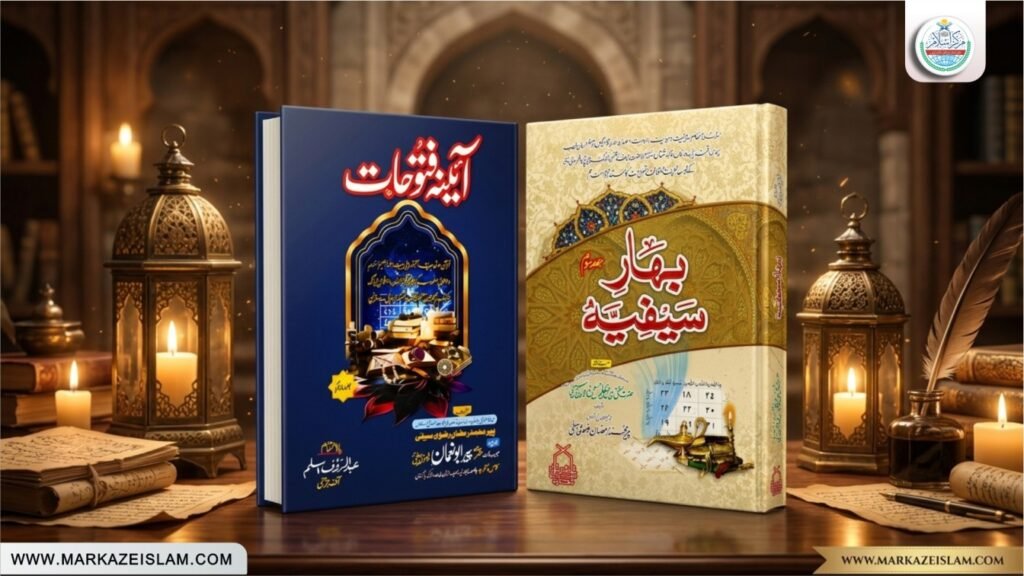
This informational and spiritual article is adapted from the well-known work (Aina-e-Futuhat and Bharsayfiyah) of Hazrat Sarkar Pir Abu Numan Rizvi Saifi Sahib, Damat Barakatuhum al-‘Aliyah (may his exalted blessings endure). If this article has proved useful to you, please do express your valuable opinion and share it with your friends and relatives so that as many people as possible may benefit from it.
To Obtain the Book
If you wish to purchase “Aina-e-Futuhat,” you can get in touch through the number or link given below.
For the Solution of Spiritual Problems
If you are troubled by black magic, jinn, the evil eye, binding (bandish), or other spiritual problems, and have become disheartened after going to various places, then at Khanqah Auliya Razviyya Saifiyya, by the grace and mercy of Allah the Almighty, guidance and treatment in accordance with Shariah and spiritual principles have been continuing for the past two decades. For further information and consultation, please contact us.
Contact: 00923077869280
Aina-e-Futuhat: Link
Bharsayfiyah: Link